
Know what data you collect, where it flows, and how long you keep it
You cannot protect data you do not know about. Dxtra's data mapping scans your connected systems, identifies personal data, maps how it flows between tools, and maintains your Record of Processing Activities (ROPA). When you add a new integration or change a data processing activity, the map updates — keeping your compliance documentation accurate and current.
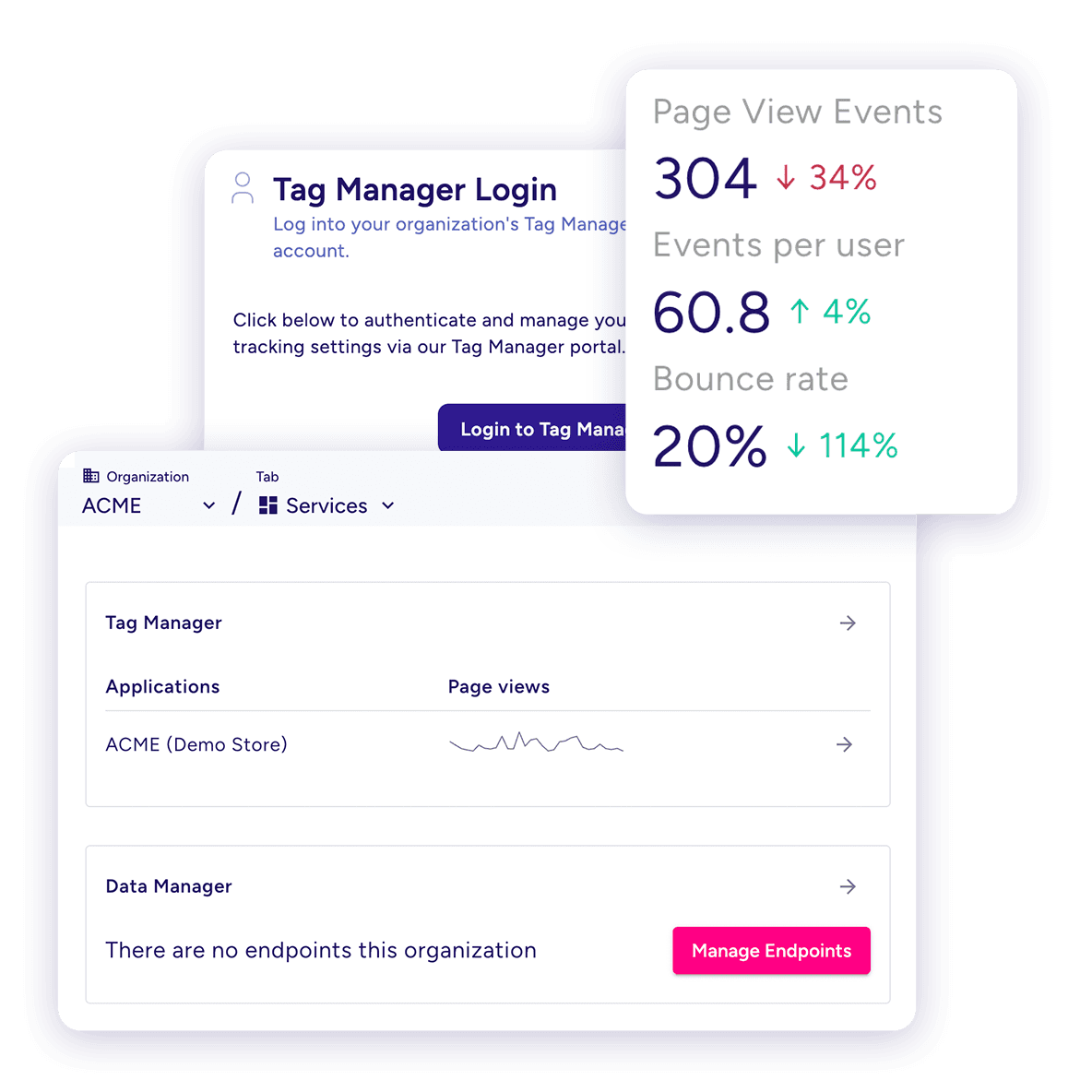
You cannot protect data you do not know about
Most businesses have personal data scattered across a dozen or more systems — CRM, email marketing, analytics, payment processing, customer support, accounting. Each system stores different data categories, retains data for different periods, and shares data with different third parties. Without a comprehensive data map, compliance is guesswork.
Common pain points
- Personal data is scattered across 10+ systems with no central inventory
- No clear picture of how data flows between tools
- Record of Processing Activities is incomplete or outdated
- Retention periods are undefined — data is kept indefinitely
- New tools and integrations introduce data flows nobody documented
- Cannot answer basic questions: 'what data do we hold on this person?'
A living map of your data landscape
Dxtra connects to your existing tools — Shopify, Stripe, Mailchimp, HubSpot, Google Analytics, and more — and maps the personal data flowing through each system. It identifies data categories, processing purposes, retention periods, and third-party sharing. Your Record of Processing Activities is generated automatically and stays current as your tools and processes change.
PII Auto-Detection
Automatically identifies personal data across your connected systems — names, emails, payment data, IP addresses, behavioral data, and more.
Visual Data Flow Maps
See how personal data flows between your systems. Understand which tools send data where, which processors have access, and where data is stored.
Automated ROPA
Your Record of Processing Activities is generated from your data map. It updates automatically when you add integrations or change processing activities.
Risk Identification
Highlights compliance risks — data stored without a defined retention period, processing activities without a documented lawful basis, or third-party sharing without agreements.
How it works
From setup to ongoing compliance — here is how Dxtra handles data mapping & discovery for your business.
Connect your tools
Link your existing systems — Shopify, Stripe, Mailchimp, Google Analytics, and more. Dxtra connects securely and identifies what personal data each system processes.
Auto-detect personal data
Dxtra scans each connected system and identifies what personal data is stored, how it's categorized, and how it's processed.
Map data flows
See the complete picture — how data moves between systems, which processors have access, and where data is shared externally.
Generate and maintain ROPA
Your Record of Processing Activities is created automatically. When something changes, the map and ROPA update together.
Other use cases
See your data landscape clearly
Automated data mapping from $10/month. No spreadsheets required.